🔎︎
🔎︎
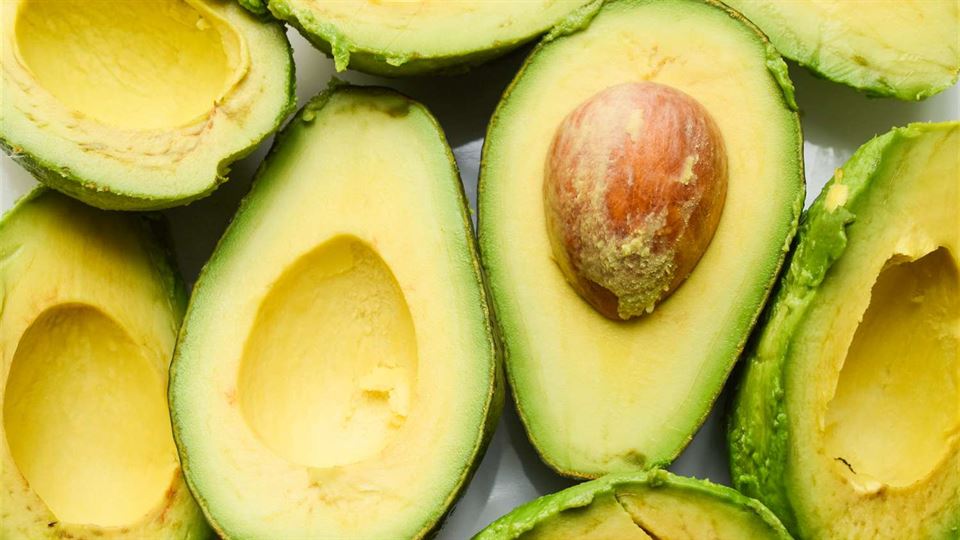
Babies whose mothers consumed avocado during pregnancy reported lower odds of developing food allergies within their first year of life, even when accounting for other lifestyle, delivery, and maternal health factors, according to study findings published in Pediatric Research.
The prospective cohort study used data collected from 2013 to 2022 as part of the Kuopio Birth Cohort study to assess if there was an association between eating avocados during pregnancy and allergic health outcomes in offspring. More than 2,200 mother-child pairs in Finland were included in the analysis. Maternal age at delivery was a median of 31.3 years, with most participants being never-smokers (80%) and nulliparous or primiparous. Half of the mothers were married and 56.9% had completed more than 16 years of education. The average body mass index (BMI) in the first trimester was approximately 25.1 kg/m2.
Avocado consumption was collected through an online food questionnaire during the first and third trimesters. Participants were asked how often they consumed the food and portion size. Furthermore, avocado consumers were defined as those who reported consuming any avocado, and non-consumers were defined as those who did not report any avocado consumption.
At 12 months, a follow-up questionnaire assessed allergic outcomes, such as rhinitis, paroxysmal wheezing, eczema, and food allergy, in the babies.
Compared with non-consumers, avocado consumers had 43.6% lower odds of having food allergies among their babies at 12 months. The researchers adjusted for relevant covariates. Mothers who ate avocados while pregnant were older and less likely to have caesarean delivery. These women also had higher scores for dietary quality, breastfed for a longer duration, and had lower BMI levels.
In non-consumers, food allergies occurred in 4.2% of babies versus in 2.4% of babies whose mothers consumed avocados. Moreover, the offspring of non-consumers had a higher rate of paroxysmal wheezing compared with the offspring of consumers (13.3% vs 9.8%). The researchers reported no significant associations between avocado intake and rhinitis and eczema.
“Avocados contain numerous vitamins, minerals, and phytochemicals, which are known to support immune and metabolic health,” the researchers wrote. One avocado provides 2.6 milligrams (mg) of vitamin E, 0.93 mg of zinc, 9.25 grams (g) of fiber, and 13.3 g of monounsaturated fats.
Although there is extensive previous research on maternal diet and offspring allergic outcomes, this study is the first to report on maternal avocado consumption and offspring allergies.